Plan Phu Quoc snorkeling with reef-focused tour choices, seasonal advice, safety checks and coral-friendly habits for a flexible, rewarding island boat day.
A good snorkeling day starts with a question about the water, not a promise about how many islands you will visit.
If you are adding sea time to your Vietnam itinerary, explore our Vietnam beach holiday options or ask C Vietnam Tours to shape your island stay. For background, discover Phu Quoc’s island geography and the living ecosystems behind coral reefs before deciding what kind of boat day suits you.
A boat trip can mean very different things in Phu Quoc. One programme prioritises beaches, lunch and photographs; another gives you more time in the water with a guide. Neither is automatically wrong. The disappointment comes when you book the first while expecting the second.
This Phu Quoc snorkeling guide helps you compare those experiences, understand seasonal advice and prepare for a responsible reef visit. The aim is not to find a supposedly perfect month or guaranteed marine encounter. It is to choose a trip that matches your swimming confidence, interests and the conditions offshore.
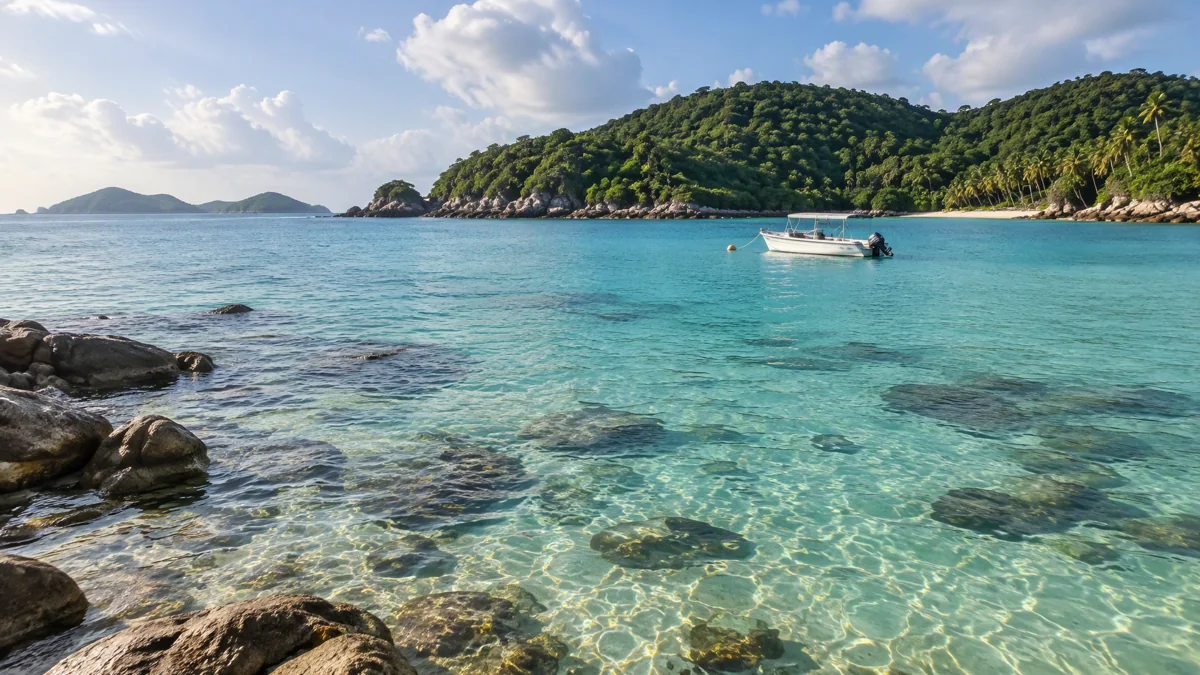
Before comparing prices, decide whether snorkeling is the main event or one part of a wider excursion. A mixed island-hopping day may suit companions who want beach time and a relaxed lunch. A reef-focused departure is worth investigating if your priority is observing marine life rather than collecting island stops.
| Your priority | What to ask before booking |
|---|---|
| More time observing reefs | How much time is normally spent in the water, excluding transfers? |
| First-time confidence | Is there a practice session, fitted flotation and close in-water guidance? |
| A mixed-ability group | Can someone stay aboard comfortably while others snorkel? |
| A quieter experience | What is the maximum group size and guest-to-guide ratio? |
| Flexible conditions | Can the departure time or reef change when the sea changes? |
Ask for the actual programme, not just a list of island names. Check whether lunch, hotel transfers, equipment and any additional stops are included. A private boat can improve flexibility, but it does not remove weather limits or replace trained supervision.
Vietnam’s national tourism website identifies November to May as a favourable broad window for diving around Phu Quoc. Its climate guide also flags July to September as particularly stormy. These are useful starting points, not daily snorkeling forecasts.
Local reef observations add nuance. OnBird, an operator working in Phu Quoc’s waters, reports that its southern site called Sword Reef can be clearest roughly April to October. That is a site-specific observation, not a reason to assume every southern reef will be clear throughout those months.
The apparent contradiction matters: island-wide weather, diving seasonality and visibility at one shallow reef answer different questions. Wind direction, waves, tides and currents can change the experience even when the beach outside your hotel looks inviting.
For an October holiday, keep your boat day movable within the stay where possible. Ask the operator which departure window and site look suitable near your travel date. Avoid placing your only possible excursion immediately before an onward flight, when a weather postponement leaves no alternative.
A responsible guide may substitute a reef, shorten a session or recommend postponement. Before paying, read the weather cancellation and rescheduling terms. Clarify whether a substitute island-hopping programme is optional, and what happens if you do not want the replacement experience.
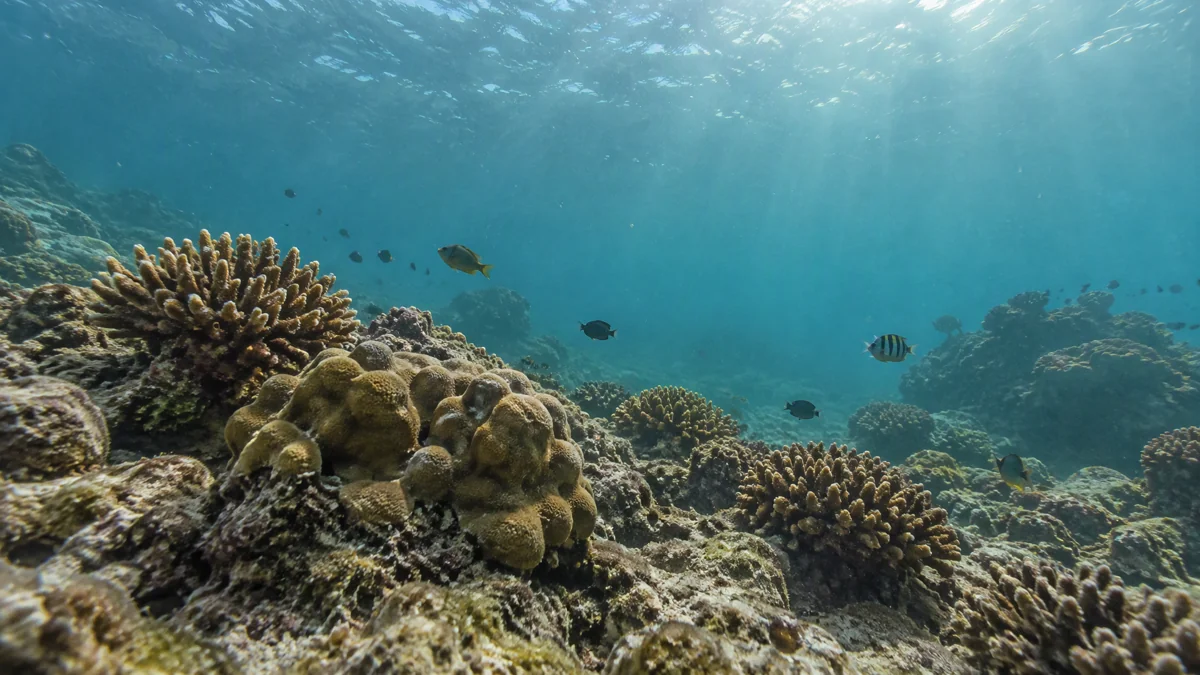
Reefs are living habitats, not arranged displays. Water clarity varies, fish move, and coral condition differs between locations. Promotional photographs cannot establish what you will see on a particular day. Look for recent, clearly identified site information rather than assuming an old image represents the whole island.
Slower observation often rewards you more than swimming constantly. Follow the guide’s direction, float quietly and look for changes in shape and movement around the coral. Small fish sheltering between branches can be as interesting as a larger animal passing through.
Ask how the operator chooses sites and avoids damaged or overcrowded sections. Do not accept guaranteed turtles, spectacular visibility or a particular reef without qualification. Even a well-run excursion cannot control wildlife or the sea.
Tell the organiser your real swimming ability, previous snorkeling experience and any relevant medical concerns before booking. Being comfortable in a pool is not the same as managing open water. Non-swimmers should not assume every boat tour provides appropriate supervision.
Request clear answers about:
For children, confirm the minimum age, equipment sizes and supervision arrangements with the specific operator. Do not generalise one company’s family policy to another. If someone feels unwell or uncomfortable, skipping the water is a valid choice; agree on the boat-based alternative beforehand.
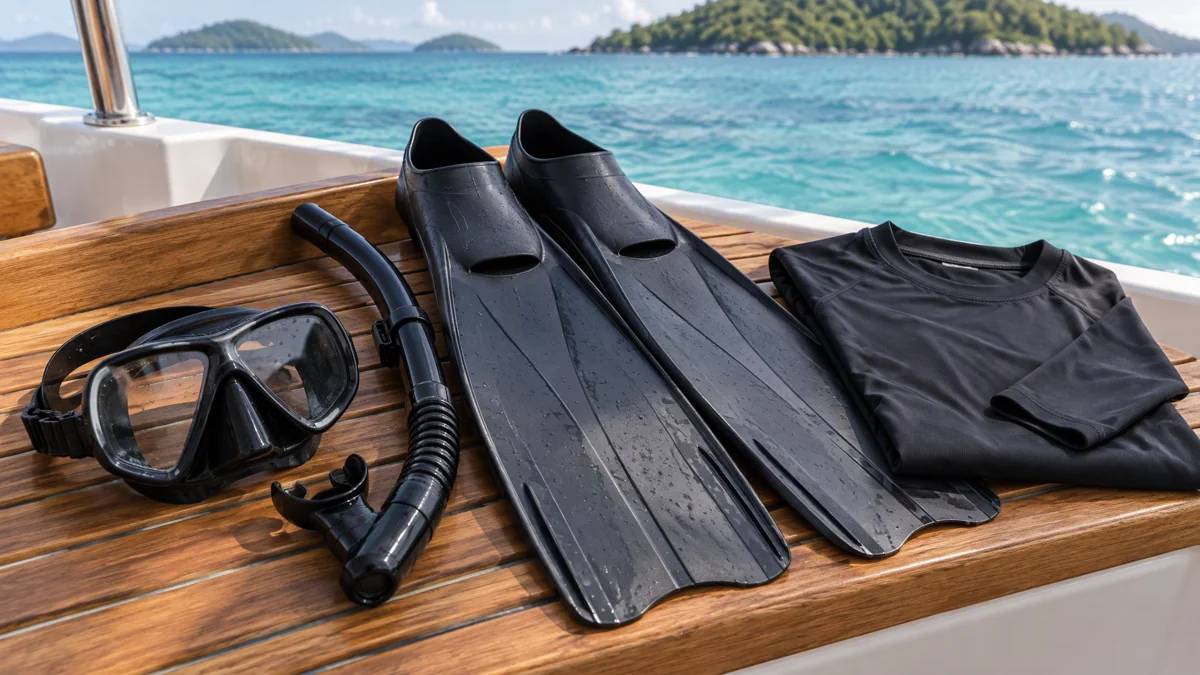
Bring swimwear, a towel, drinking water as permitted, sun protection and a dry bag for essentials. A long-sleeved swim top can reduce exposed skin, but sunscreen and clothing choices should follow your own needs and the operator’s guidance. Secure loose belongings before boarding.
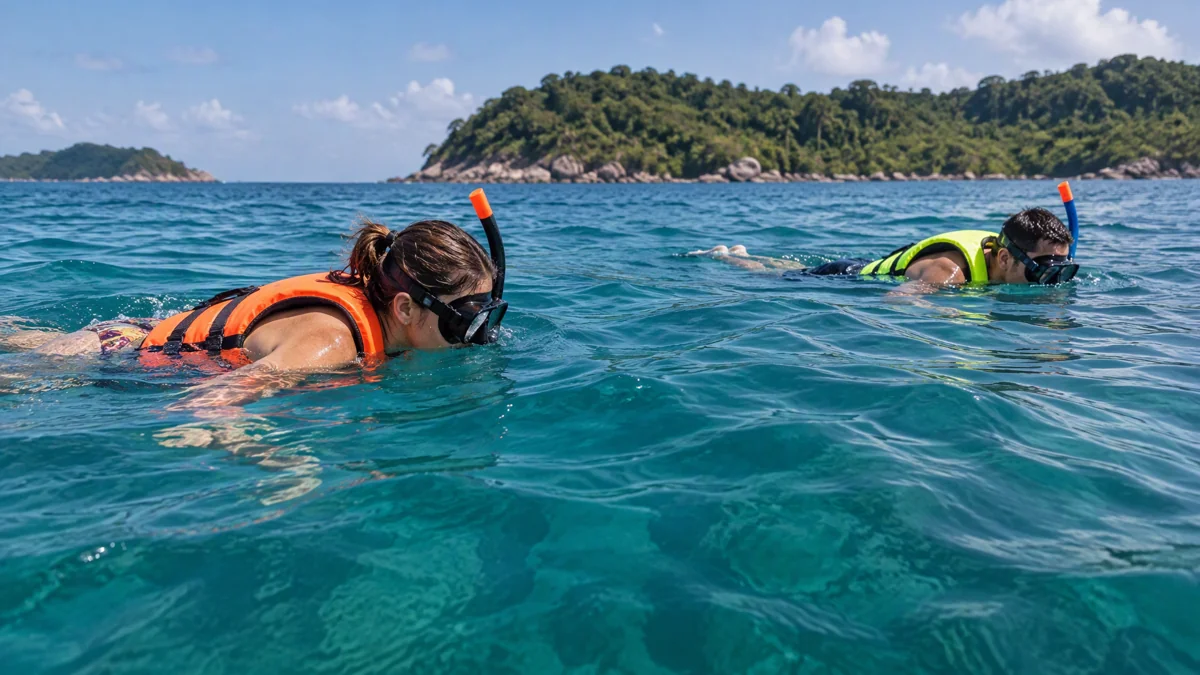
Try the mask and flotation device before entering the sea. Ask for an adjustment rather than tolerating leaking equipment. Listen to the briefing about entry, exit, boundaries and regrouping signals; the best photograph is not worth drifting away from your guide.
In the water, never stand on coral, touch marine animals or collect shells and coral fragments. Keep fins clear of the reef and avoid chasing fish for a picture. If you cannot maintain a safe distance from shallow coral, ask the guide for help or return to the boat.
Choose operators who explain these rules and actively enforce them. Conservation claims are stronger when accompanied by specific practices, not simply the word “eco” in a brochure.
Leave enough room for a quiet evening afterwards instead of stacking another timed activity onto the return transfer. Confirm the pickup location and approximate return window, especially if your hotel is far from the departure point.
A good Phu Quoc stay balances sea time with an unhurried beach day and a land-based backup. If the water is unsuitable, preserve the experience rather than forcing it. Your goal is a comfortable, responsible encounter with the island’s marine environment, not completing a checklist at any cost.
No. Some island-hopping programmes include a short snorkeling stop; reef-focused trips put more emphasis on guided water time. Compare the written itinerary.
Potentially, with a suitable operator, conditions, fitted equipment and supervision. Disclose your swimming confidence first. Flotation is not a substitute for attentive guidance.
It can work, but suitability depends on the reef and daily sea conditions. Keep the excursion flexible and request a current assessment rather than relying on seasonal labels.
No specific sighting or coral condition is guaranteed. Ask for recent information on the proposed sites and treat promotional images as examples, not promises.
Consider one for a particular pace or mixed group needs. Still verify in-water guidance, safety arrangements, inclusions and the weather policy.
The answer depends on your booking terms. Confirm postponement, cancellation and alternative-programme options before paying, rather than discovering them at the harbour.
👉 Contact C Vietnam Tours to plan a Phu Quoc stay with a suitable snorkeling day. 👉 Or browse our Vietnam tour packages to combine island time with your wider journey.

Best Vietnam Family Tour with Kids – 14 Days / 13 Nights
Vietnam Classic Itinerary: 11 Days & 10 Nights

Vietnam Family Adventure with Kids 8 Days Journey

Vietnam Cultural Journey 10 Days from Ho Chi Minh City