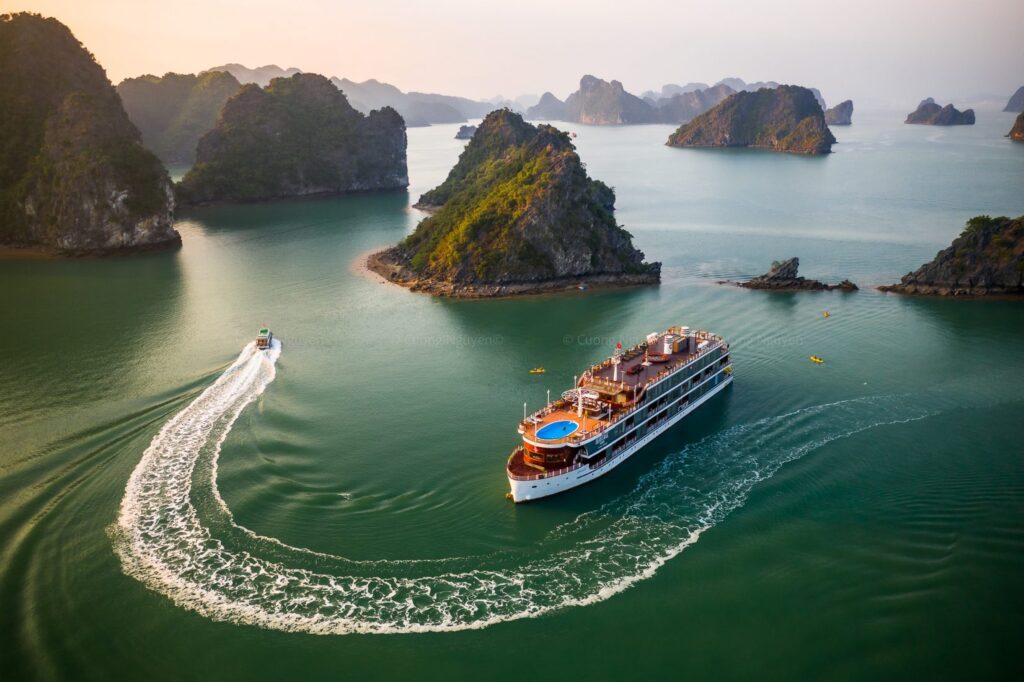
Short answer: Yes. A 2-day, 1-night Halong Bay cruise is enough to see the bay properly, as long as you pick the right boat and route and don't overfill the schedule. Bai Tu Long Bay is the quieter choice, and April, May and the Lunar New Year holiday are the busiest months to book.
Most people planning Vietnam ask the same question: is one night on the water worth it, or should we spend more days in Hanoi and Ninh Binh instead? It depends on what you want from the trip. This guide walks through what a 2-day, 1-night cruise actually looks like, how to choose between the two bays, what to ask before you pay a deposit, and the mistakes we see travelers make most often.
Day one usually starts with a transfer from Hanoi to the harbour, which takes roughly two to three hours by road depending on traffic and your pickup point. Once you board, the pace slows down. Most itineraries include a mix of scenic cruising, a stop at a cave or a viewpoint, kayaking through the smaller limestone formations, and time to swim if the weather is warm. Lunch is served on board, usually a multi-course meal built around local seafood and seasonal vegetables.
In the afternoon you can relax on the sundeck, read, or simply watch the karsts change colour as the light moves. In the evening the crew often arranges dinner, a short cooking demonstration, or squid fishing from the back of the boat. Many travelers say this is the moment they stop checking their phones.
Day two is deliberately slower. You wake up on the water, have breakfast while the boat moves between islands, and take one last short excursion before heading back to port by late morning. Most transfers return you to Hanoi by early afternoon, which leaves room for a relaxed lunch or a final walk around the Old Quarter if you are flying out in the evening.

This decision shapes your trip more than any other. Both areas belong to the same UNESCO-listed limestone seascape, and both offer the dramatic karsts that appear on every postcard. The difference is how many boats you share the water with and how much freedom you have to move at your own pace.
Halong Bay is the classic route. It is well connected, with more departures, more boat options and shorter transfers from Hanoi. The trade-off is that the central areas can get busy in peak season, with many boats anchored in the same coves at the same time. If you want the iconic views with plenty of options and you don't mind some company, this is the right pick.
Bai Tu Long Bay sits further northeast and is less crowded. The scenery is just as striking, with fewer boats and a more relaxed pace. Sailing times are often longer, but the reward is quieter coves, calmer kayaking and photos without other boats in the frame. It suits couples, families who want space, and travelers who would rather have quiet mornings than a busy itinerary.
A simple rule: if you travel in April, May or during the Lunar New Year holiday, choose Bai Tu Long. If you have a fixed budget and a tight schedule, the more accessible Halong Bay routes are usually easier to book at short notice.
Two boats with the same number of nights can feel completely different. Don't compare on price alone. Work through these four points before you choose. For a deeper look at boat types and what to expect onboard, read Ha Long Bay Cruise: How to Choose and What to Expect from CTour.
1. Cabin type. A private balcony makes a real difference when you sleep on the water. It is the difference between stepping out to see the karsts at sunrise and watching them through a window. If you are travelling as a couple, it is worth paying for. Interior cabins are fine for sleep, but you will spend less time on deck.
2. Boat size. Smaller boats usually feel calmer, board faster and move between stops with fewer people in the way. Larger boats have more facilities, such as a bigger restaurant, more sundeck space and sometimes a pool or a bar with a longer menu. Ask yourself which matters more to you: quiet or amenities.
3. Itinerary. Ask which areas you will visit, how long you will spend at each stop and whether kayaking or the cave visit is included. A good itinerary has room to breathe. If the description lists six stops in one day, expect to spend more time on the boat than in the water.
4. Inclusions. Check what is actually covered: transfers from Hanoi, meals, kayaking, entrance fees, drinks and guide services. Some cruises include everything. Others add costs at the last minute. A clear quote is more useful than a low headline price.
Quick checklist before you pay
Two days and one night is not the right length for every traveler, but for some groups it is the perfect fit.
If you have only a single day, consider a day cruise instead. If you have four or more days and want to see the bay in more depth, a 3-day, 2-night cruise adds more islands and slower mornings.
The northern coast has distinct seasons, and the bay changes with them. Spring and autumn are usually the most comfortable months, with mild weather and calmer seas. Summer is hot and humid, with a higher chance of afternoon storms, which can affect sailing. Winter is cooler and hazier, but the water can be rough on some days, and some cruises run fewer departures.
April, May and the Lunar New Year holiday are the busiest periods. Boats fill quickly, and the best cabins are often the first to sell out. If you can travel outside these windows, you will get more choice, quieter anchorages and often better prices. Whatever month you pick, check the forecast a few days before departure. Itineraries can shift around weather, and a good operator will tell you early.
Packing for a cruise is simpler than packing for a city trip. You need less, but the right things matter more.
Before you travel, ask your consultant for the exact pickup time, the port location and the name of the boat. Ask what happens if the weather changes and whether there is a backup plan. A clear answer now saves stress on the morning of departure.
We see the same few mistakes again and again. Most of them are easy to avoid.
Booking the cheapest cabin without reading the layout. An interior cabin can feel cramped after a long day of kayaking. If you plan to spend time in the room, pay for the extra space.
Planning a tight schedule on the day of arrival. Hanoi traffic is unpredictable. Build in a margin so you don't miss the boat, and avoid booking a flight out on the same afternoon as the return.
Assuming every bay looks the same. Halong and Bai Tu Long share the same landscape, but the atmosphere, crowds and sailing times are different. Choose the bay that matches your pace.
Waiting until the last minute in peak season. Good cabins and convenient departure times disappear quickly. Booking two to three months ahead is a sensible default for April, May and the Lunar New Year.
Every cruise runs slightly differently, but this timeline gives you a realistic picture of how the trip usually unfolds from pickup to drop-off. Use it to decide whether the pace suits you before you book.
| Time | What happens |
|---|---|
| Morning, Day 1 | Hotel pickup in Hanoi, then a comfortable transfer to the harbour. A short welcome briefing on the boat. |
| Midday, Day 1 | Board the cruise and set sail. Lunch is served as the boat moves through the first karsts. |
| Afternoon, Day 1 | Kayaking through quiet lagoons, a cave or viewpoint stop, and time to swim where the water is calm. |
| Sunset, Day 1 | Anchor in a sheltered cove. Watch the light change on the limestone from the sundeck. |
| Evening, Day 1 | Dinner on board, sometimes with a short cooking class or squid fishing. Quiet time on the deck afterwards. |
| Morning, Day 2 | Wake on the water, breakfast while the boat moves between islands, then an optional short excursion. |
| Late morning, Day 2 | Return to the harbour and transfer back to Hanoi, usually arriving early afternoon. |
Two points to note. First, the sailing time between stops can be longer than it looks on a map, especially if you are heading into Bai Tu Long Bay. Second, the exact order of activities depends on weather, tides and the crew's plan for the day. A good cruise will explain the flexibility before you board, not after.
Photos show the scenery, but they rarely capture the quiet. Once the engine slows and the boat drifts into a cove, the sound drops to water against the hull, birds overhead and the occasional bell from a fishing boat in the distance. Many guests say the first evening is when the trip stops feeling like a plan and starts feeling like a holiday.
Kayaking is the activity people remember most. You paddle through narrow channels where the cliffs rise on both sides, and the water is often so still that the reflections look like a second bay underneath you. Paddle slowly. The best moments come when you stop and let the kayak drift.
The crew matters as much as the boat. A good team will know the best viewpoints, the timing of the tides, and the small cove that is quiet early in the morning. They will also help with the little things: a heavier blanket on a cool night, a spare towel after swimming, a quick explanation of the menu. These details are easy to overlook when comparing cruises, but they shape how the trip feels.
Food on board is usually better than people expect. Expect fresh seafood, steamed rice, stir-fried vegetables and a fruit platter at the end of each meal. If you have dietary requirements, tell the operator when you book, not when you board. Vegetarian and gluten-free options are often possible with notice.
For most travelers, yes. Two days and one night give you the main experiences: scenic cruising, kayaking, a cave visit, a night on the water and a relaxed morning. If you have more time, a 3-day cruise adds more islands and slower mornings. If you only have one day, a day cruise is a better fit.
Both are part of the same limestone seascape. Halong Bay is busier, more accessible and has more departure options. Bai Tu Long Bay is quieter, with fewer boats, calmer water and a more relaxed pace. Choose based on how much company you want on the water.
Spring and autumn are usually the most comfortable, with mild weather and calmer seas. April, May and the Lunar New Year holiday are the busiest months, so book early. Summer is hot and can bring afternoon storms. Winter is cooler and hazier.
Yes, especially in peak season. Booking early gives you more choice of cabins, departure times and routes, and it reduces the risk of having to change plans at the last minute.
Yes, with the right boat. Look for easy boarding, cabins close to the main deck, a slower itinerary and a crew used to guests of different ages. Ask about the length of kayaking and cave walks before you book.
Yes. A 2-day cruise fits neatly between Hanoi and Ninh Binh, or between Hanoi and a beach stay further south. Tell your consultant what else you want to see and they can suggest a routing that avoids backtracking.
Plan your trip
Want a second opinion on your route? Our team compares cruise options and itineraries for the bays and can tailor a plan to your dates, budget and pace.
Send us your dates, the number of travelers and your preferred pace. A consultant will reply with a cruise that fits.


Pu Luong & Mai Chau Trekking Experience – Authentic Northern Vietnam



Vietnam Family Adventure with Kids 8 Days Journey


Vietnam Family Holiday from North to South 16 days
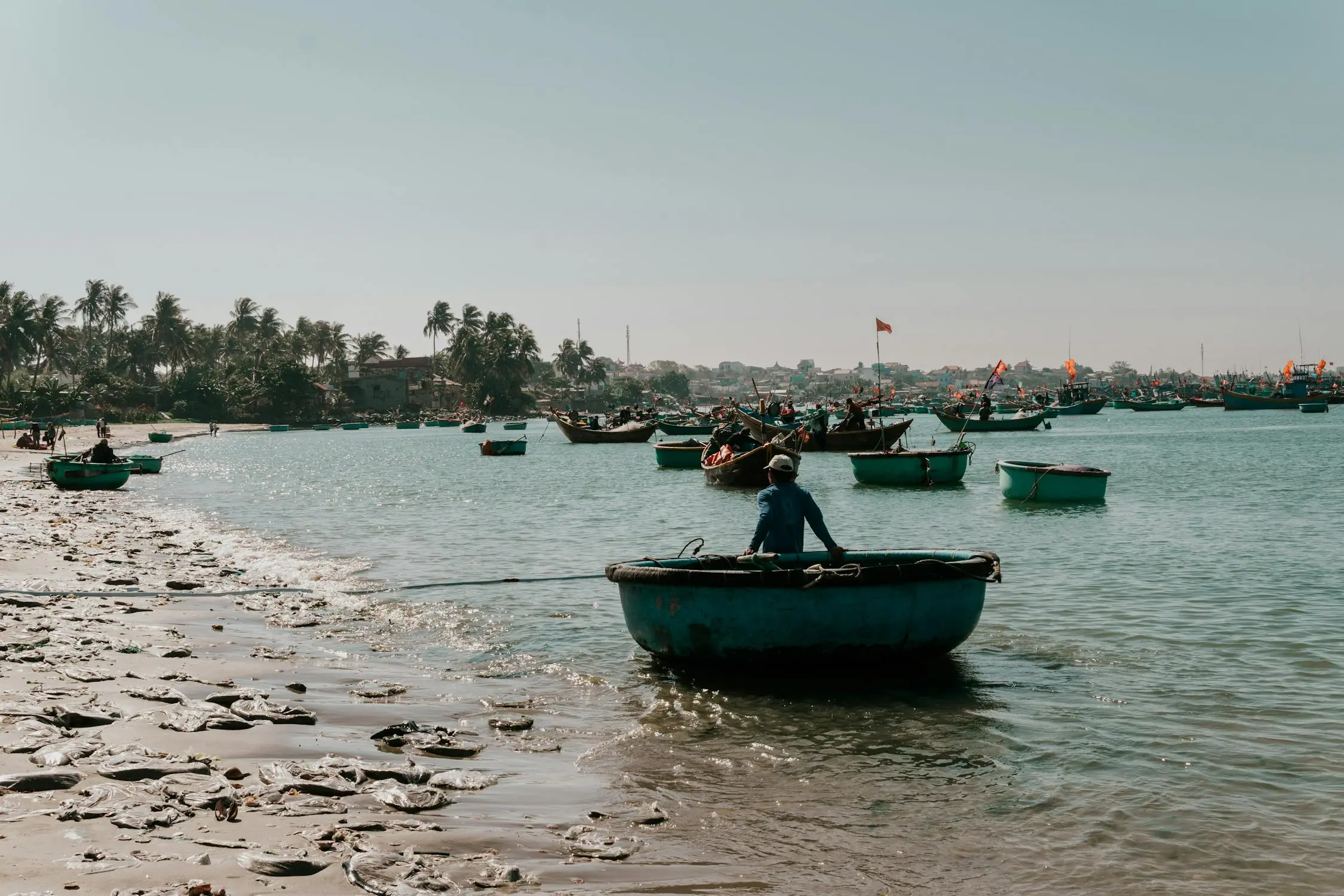
Mui Ne Beach Escape & Coastal Sightseeing – 5 Days 4 Nights
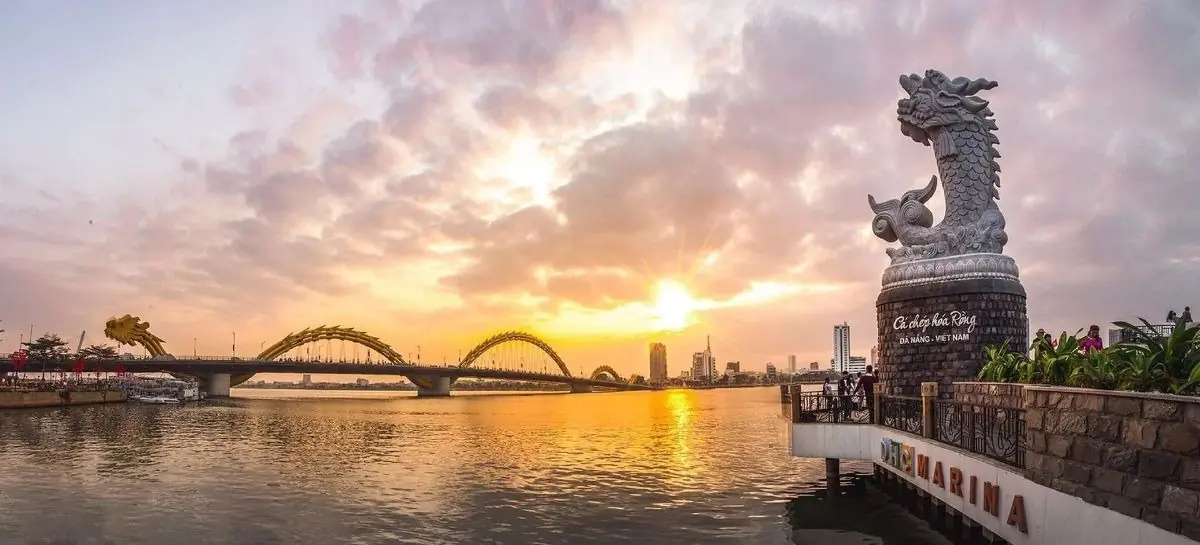
Danang Beach Break 4 Days | Relaxing Da Nang Beach Holiday Tour