The Ha Giang Loop attracts thousands of adventurous travelers yearly with its dramatic mountain landscapes and ethnic minority villages. But the question "Is Ha Giang Loop safe?" tops every potential visitor's mind. The honest answer: it carries real risks, but with proper preparation and realistic expectations, most travelers complete the loop safely. This guide breaks down the actual dangers, how to minimize risks, and what you need to know before committing to this iconic northern Vietnam adventure.
Ha Giang Loop involves riding 350+ kilometers of mountain roads over 3-4 days. The routes reach elevations above 1,500 meters with steep drops, sharp hairpin turns, and unpredictable weather. Accidents happen regularly—mostly minor scrapes, but serious injuries and occasional fatalities do occur.
Key statistics and realities:

The Vietnamese government requires permits for foreigners traveling in Ha Giang Province due to its proximity to the Chinese border. This adds bureaucracy but also means authorities monitor the area more closely than other regions.
The loop's roads present multiple challenges. Narrow mountain passages barely accommodate two vehicles passing. Loose gravel appears on corners where you need traction most. Sections lack guardrails on cliff edges with 100+ meter drops.
Heavy trucks and buses navigate these same narrow roads, sometimes forcing smaller vehicles to the edge. During rainy season (May-September), landslides occasionally block routes or create dangerous debris on the road surface.
This is not where you learn to ride a motorbike. The loop demands:
Travelers who've "ridden a scooter around Bali" often overestimate their abilities. Ha Giang's challenges exceed anything on typical Southeast Asian tourist routes.

Ha Giang's mountain weather creates serious riding hazards. Morning starts in sunshine can end in afternoon storms. Fog descends rapidly, reducing visibility to meters. Winter months (December-February) bring cold temperatures that numb hands and reduce reaction times.
Rain makes roads dangerously slippery, especially on painted road markings and metal grates. Wind gusts at high passes can push lighter riders off course.
Ha Giang City has basic hospitals, but along the loop itself, medical facilities are minimal. Small district clinics handle minor issues but lack equipment for serious injuries. Serious accidents require evacuation to Hanoi (300+ kilometers away), which can take 6-8 hours by ambulance.
Independent riding gives you freedom and flexibility but requires genuine motorbike skills and navigation abilities. You handle all decisions, breakdowns, and emergencies yourself.
Easy Rider tours pair you with experienced local drivers who know every corner of the route. You ride as passenger, focusing on scenery while professionals handle the challenging riding. This dramatically reduces accident risk.
Organized group tours with support vehicles offer middle ground—you ride your own bike but have experienced guides, support van, and group safety net.
If you're considering organized exploration of northern Vietnam beyond just Ha Giang, Ha Giang tours provide structured itineraries with professional guides and safety support throughout the journey.
Don't rely on the cheap helmets rental shops provide. Invest in:

Many accidents result in road rash because riders wore flip-flops and shorts. The minor discomfort of gear beats weeks of painful wounds.
Semi-automatic bikes (like Honda Wave or Yamaha Sirius) suit most riders better than full manuals for this terrain. Automatic scooters lack the power and handling for steep grades and rough sections.
Before departing:
Rent from reputable shops that maintain bikes properly. Cheapest isn't best when your safety depends on mechanical reliability.
Speed management: Ride slower than feels necessary on unfamiliar roads. Local speed demons know every curve—you don't.
Corner technique: Slow before corners, never brake mid-turn. Look through turns to where you want to go, not at the cliff edge.
Passing caution: Only overtake with clear sightlines and space. Meeting oncoming vehicles mid-pass on narrow roads causes many accidents.
Group riding: Maintain space between bikes. Don't feel pressure to keep pace with faster riders.
Regular breaks: Stop every 45-60 minutes to rest hands, stretch, and refocus attention.
Dry season (October-April) offers most reliable conditions. Roads stay drier, visibility improves, and landslide risks decrease.
October-November provides ideal combination of clear weather, comfortable temperatures, and beautiful golden rice terraces.
December-February means cold temperatures requiring extra layers. Early morning fog can delay starts. Some guesthouses close during this period.
March-April brings warmer weather and blooming flowers. Increasing tourist numbers mean busier roads.
Rainy season (May-September) dramatically increases risks. Wet roads, poor visibility, landslides, and flooding make the loop genuinely dangerous during these months. Only very experienced riders should attempt it.
Before You Go:
During the Loop:
If Accident Occurs:
Myth: "Everyone crashes on Ha Giang Loop" Reality: Many riders complete it accident-free. Those with genuine riding experience and appropriate caution generally do fine.
Myth: "You need to be an expert rider" Reality: Solid intermediate skills suffice. You don't need track experience, but comfort with varying terrain is essential.
Myth: "Easy Riders are totally safe" Reality: Professional drivers dramatically reduce risk but don't eliminate it. Accidents can still happen.
Myth: "Travel insurance covers everything" Reality: Most standard policies exclude motorbike accidents. You need specific coverage and even then, evacuation costs can exceed policy limits.
Myth: "Locals ride recklessly so it must be safe" Reality: Locals know every curve and have years of experience. Their comfort level doesn't translate to visitor safety.
Join organized tours: Let experienced guides handle the riding while you enjoy scenery from a comfortable vehicle. Vietnam tour packages often include Ha Giang with professional drivers and support.
Hire Easy Rider: Experienced driver navigates while you ride passenger. Cost roughly double independent riding but safety increases significantly.
Short day trips: Experience Ha Giang's beauty on single-day tours from Ha Giang City without committing to the full loop.
Alternative destinations: Consider Ninh Binh tours for dramatic landscapes without the riding challenges.
The Ha Giang Loop is genuinely dangerous for inexperienced riders. It's not a place to "give it a try" or "see how it goes." The combination of challenging roads, remote location, and limited emergency services means mistakes carry serious consequences.
You should attempt the loop if:
You should NOT attempt the loop if:

Remember: FOMO (fear of missing out) has led many travelers into accidents they could have avoided. Ha Giang's beauty will still be there when you're better prepared, or you can experience it safely with professional drivers.
The loop can be done safely with proper preparation, realistic self-assessment, and appropriate caution. But "safe" doesn't mean "easy" or "without risk." Make your decision based on honest evaluation of your abilities, not Instagram photos or peer pressure.
Want to experience Ha Giang's breathtaking landscapes without the riding risks? C Vietnam Tours offers professionally guided Ha Giang adventures with experienced drivers, comfortable vehicles, and comprehensive safety support.
Professional Local Guides: Our Ha Giang-born guides know every road condition, weather pattern, and safe viewpoint.
Safety-First Approach: Support vehicles, first aid equipment, and experienced drivers who've navigated the loop hundreds of times.
Flexible Options: Choose from passenger tours, Easy Rider services, or guided group rides with full support.
All-Inclusive Packages: Permits, accommodations, meals, and experienced guides included—focus on enjoyment, not logistics.
CTOUR VACATION CO., LTD
Head Office: 343/68 Phan Xich Long Street, Cau Kieu Ward, Ho Chi Minh City, Vietnam
Hanoi Office: No. 3, Alley 44, Dai Linh Street, Dai Mo Ward, Hanoi City, Vietnam
Phone: +84 28 6688 1555
Email: info@c-vietnamtours.com
Website: www.c-vietnamtours.com
WhatsApp: +84 913 833 980
Let our experienced team help you discover Ha Giang's magic safely. Contact us for free consultation and customized itinerary.
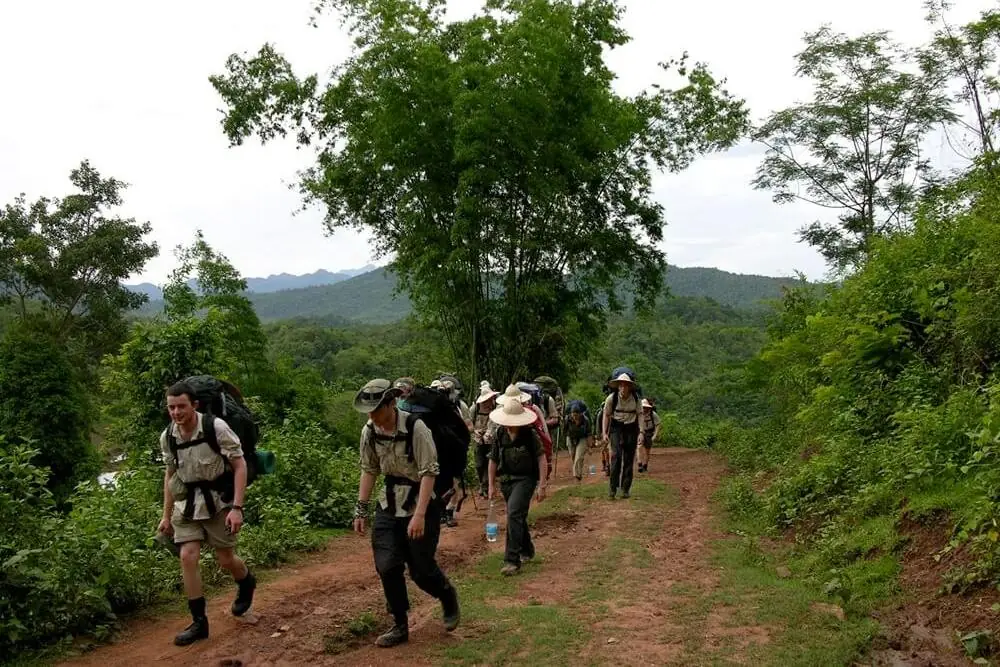
Northern Vietnam Trekking Tour: Mai Chau, Pu Luong & Ninh Binh
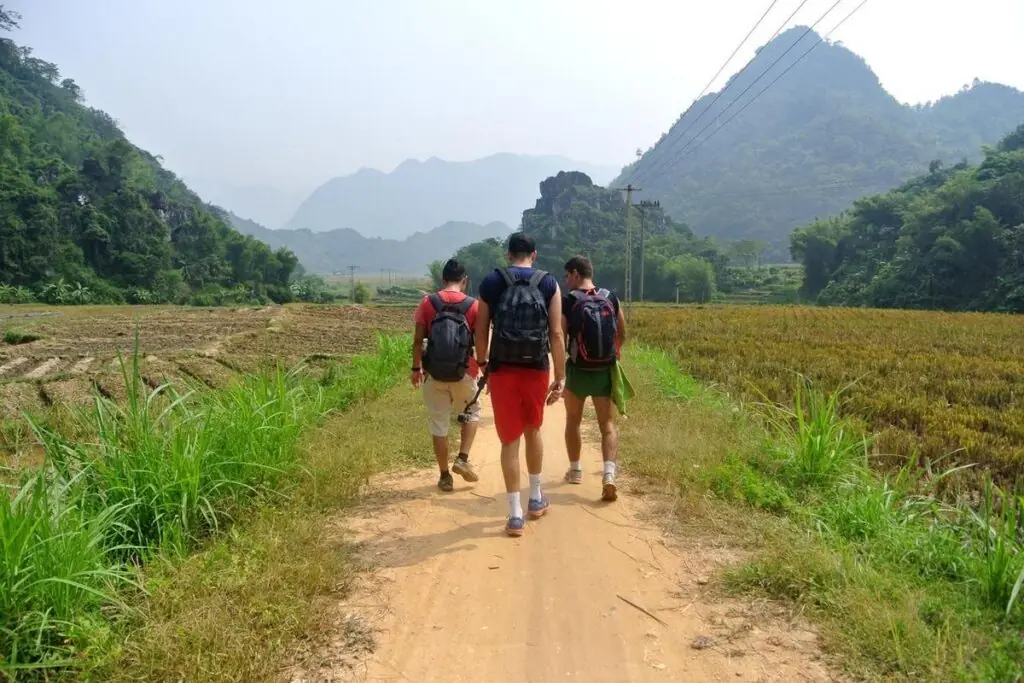
Pu Luong & Mai Chau Trekking Experience – Authentic Northern Vietnam

Vietnam Classic Itinerary: 11 Days & 10 Nights