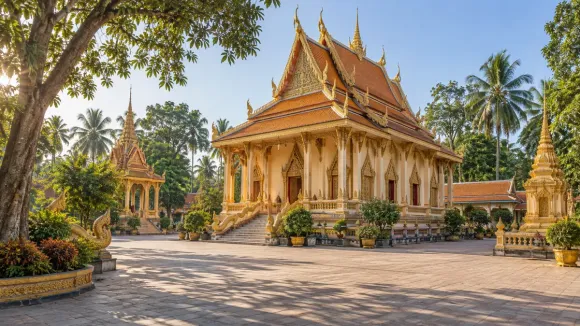
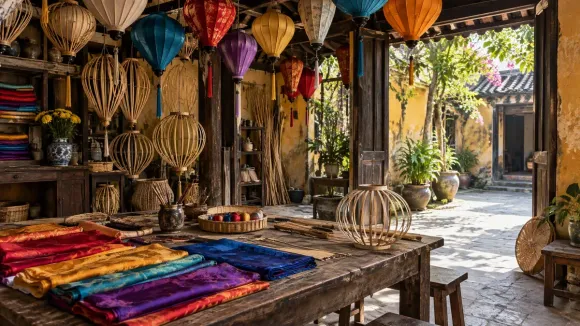
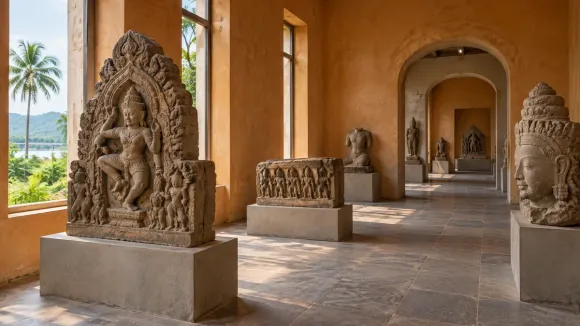
Plan Central Vietnam rainy season travel with flexible Hue, Da Nang and Hoi An days, safer transfers, indoor experiences and practical weather backup ideas.
A good wet-season itinerary has room to change, without losing the reason you came.
Start with our Hoi An market tour and home cooking experience or explore Hoi An tours when shaping your cultural days. The trading heritage of Hoi An’s historic town and the imperial story of Hue give this region plenty of interest beyond its beaches.
Your hotel window shows a grey sky. The beach morning you imagined no longer looks appealing, but a cooking lesson, a quiet lunch and a short heritage walk might still make an excellent day. That is the useful starting point for Central Vietnam rainy season travel: protect the experiences that matter, while accepting that their order may change.
Hue, Da Nang and Hoi An are rewarding cultural stops, not interchangeable weather zones. Showers can be manageable; flooding, strong winds and official closures are a different situation entirely. This guide helps you design a flexible visit without treating dangerous weather as a sightseeing opportunity.
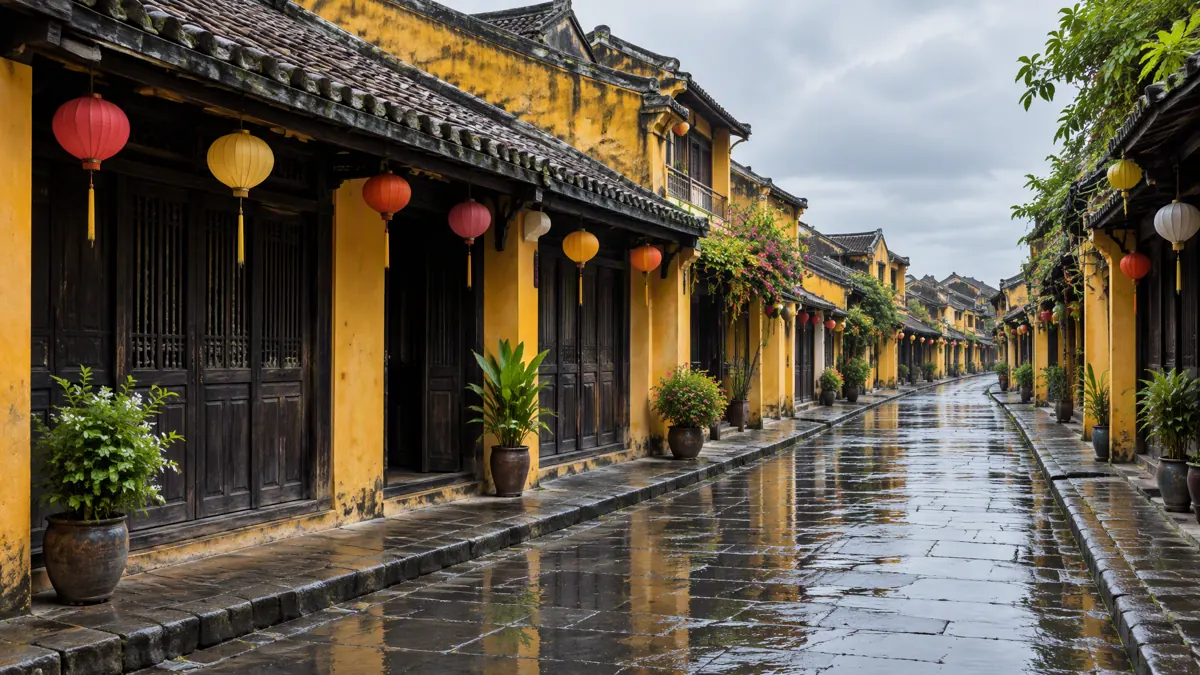
Vietnam’s national tourism climate guide describes Hue’s wetter period as September to February, while Hoi An’s is September to January. It also notes possible flooding in the later months of the year. These are broad planning patterns, not a prediction for your departure date.
For a beach-led holiday, the region’s drier months generally offer a better starting point. For a culture-led trip during the wetter period, leave space between essential activities and avoid making every day depend on sunshine. Da Nang’s coastal location also makes sea conditions relevant, even when rain near your hotel seems light.
Check Vietnam’s official climate overview when choosing dates, then use national weather and marine forecasts close to travel. Ask your hotel or local operator about access conditions on the day. A general forecast cannot confirm that a particular road, museum or riverside neighbourhood is open.
| Conditions you encounter | A sensible response |
|---|---|
| Light rain, no warnings, normal access | Short walks and sheltered cultural visits may work; carry rain protection. |
| Persistent rain or poor visibility | Reduce outdoor commitments and confirm transfers before leaving. |
| Strong winds, rough seas or thunderstorm warnings | Remove beach swimming, boat trips and exposed viewpoints from the plan. |
| Flooding, closures or official instructions | Follow local guidance; postpone movement or change the route. |
This is a planning framework, not a substitute for safety advice. Do not walk or drive into floodwater, enter closed sites, or accept an improvised boat excursion through flooded streets. Attractive photographs are never a reason to ignore a warning.
Hue suits travellers interested in architecture, court history and regional cooking. In ordinary rain, shorter heritage visits can be more comfortable than attempting several large outdoor complexes in one day. However, palace grounds and royal tombs include exposed paths, courtyards and uneven surfaces; “cultural sightseeing” does not automatically mean being indoors.
Choose one priority visit, confirm access, and allow a long lunch afterwards. If conditions worsen, ask about an available sheltered activity rather than pushing through every stop. Carry a light layer: damp, cooler weather can feel different from the warm beach climate travellers associate with Vietnam.
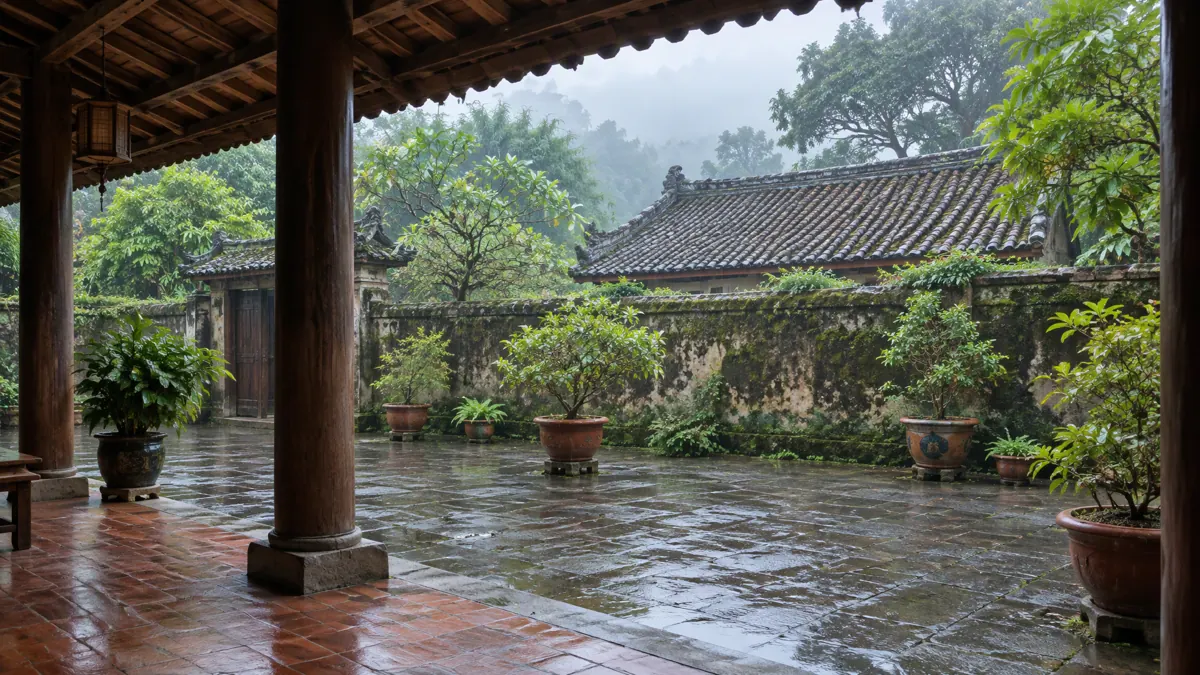
Da Nang can be useful for organising arrivals, departures and urban cultural time. Consider a museum visit or a relaxed café stop when access is normal, but verify opening hours directly. A hotel with comfortable common spaces can be more valuable than an ambitious sightseeing list during an unsettled spell.
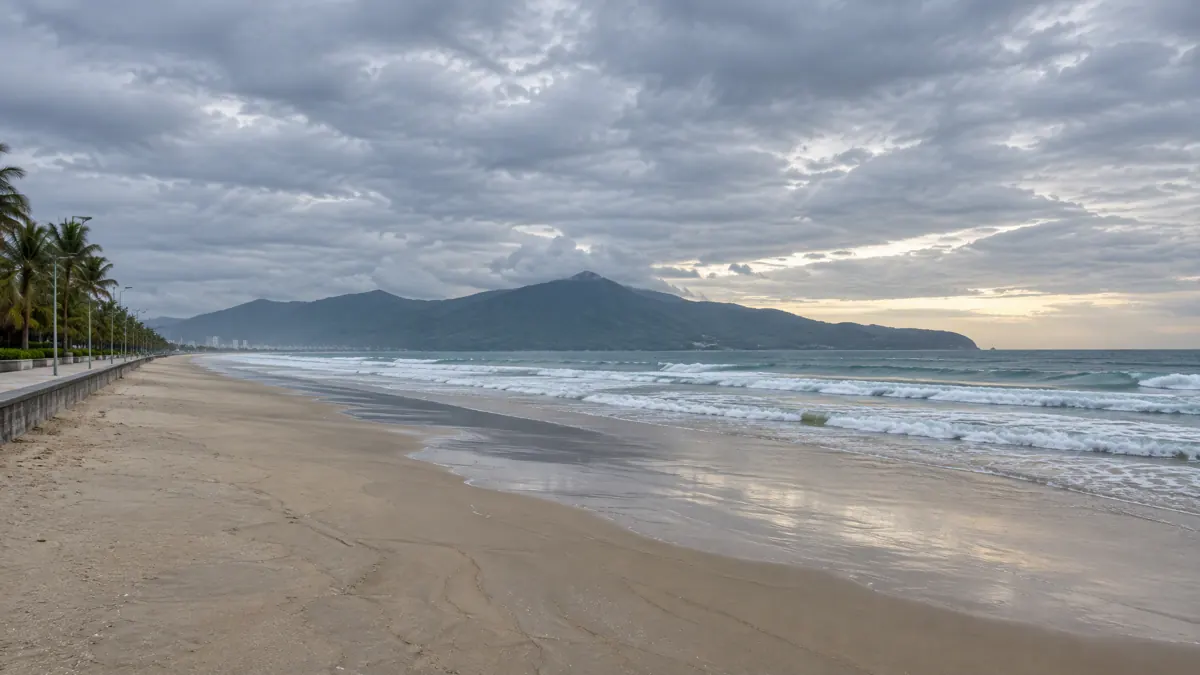
Treat swimming as optional, not an entitlement included with a beachfront room. Follow lifeguards, flags and local restrictions. Also reconsider exposed mountain viewpoints or scenic drives when visibility is poor. Your driver should choose an appropriate route for conditions; a famous road is not always the right road that day.
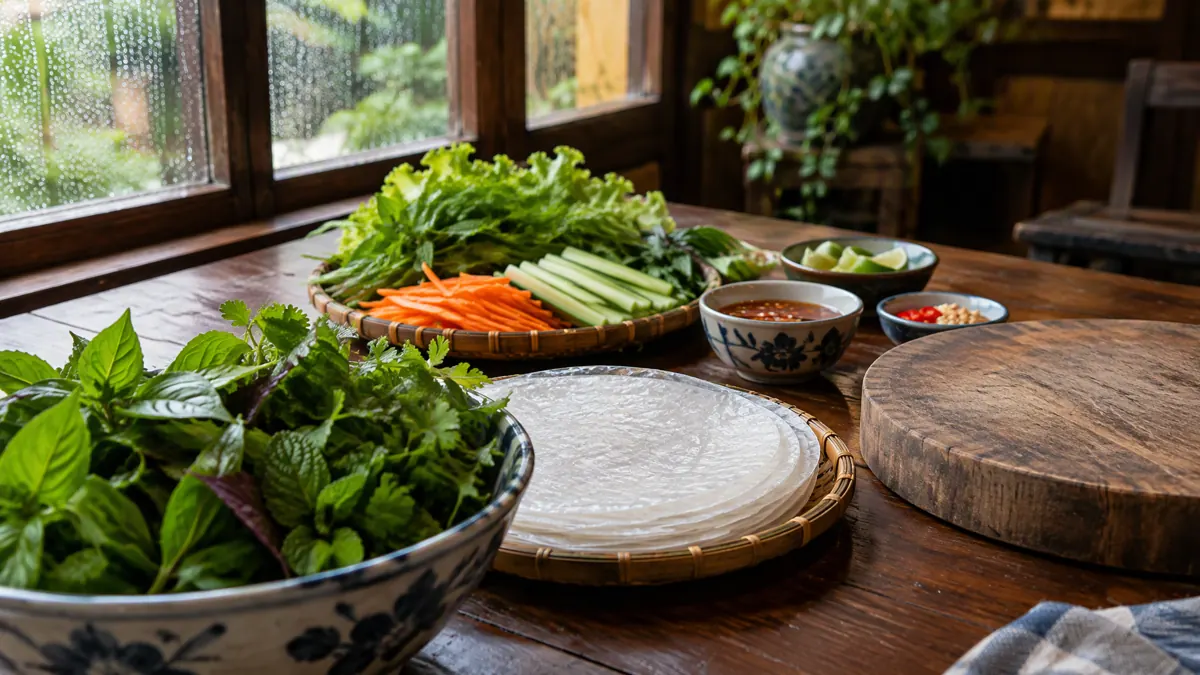
A cooking lesson gives a day a clear focus without requiring hours of walking. Our published home cooking programme includes a market visit and cooking, followed by outdoor possibilities such as cycling. It is not entirely indoors, and its schedule is subject to change.
Before booking, ask whether the market and cycling sections can be adjusted in wet weather, whether the venue is accessible, and what happens if conditions prevent operation. Share dietary requirements early. A confirmed sheltered lesson is a useful alternative; an assumption that any activity will run through a storm is not.
Think in activity blocks rather than fixed departure times. The following outline is a suggested structure, not a guaranteed operating itinerary.
If you want both Hue and Hoi An, consider extra nights rather than compressing them into this short outline. Changing hotels every night increases your exposure to disrupted transfers and makes it harder to rest while weather passes. If your main aim is uninterrupted beach time, changing dates or reconsidering the regional route may be the better decision.
Request the answers in writing. Private arrangements may offer flexibility, but that does not guarantee free changes, refunds or safe access. Travel insurance also varies: read the policy rather than assuming all weather-related losses are covered.
Bring a lightweight rain jacket, quick-drying clothes and shoes with dependable grip. A waterproof pouch helps protect your phone, passport and charging cable. Keep one dry outfit separate from wet items, and use a small day bag so you can move comfortably between sheltered stops.
An umbrella is helpful in gentle rain but awkward in strong winds. A compact towel and reusable water bottle are practical additions. Above all, keep important documents and medication accessible if a transfer takes longer than expected.
Central Vietnam rainy season travel is most satisfying when culture leads and weather-sensitive activities remain optional. Pick fewer priorities, confirm local conditions and accept that postponing a visit can be the right outcome. You can still enjoy memorable meals and meaningful cultural encounters without promising yourself a perfect beach day.
It falls within the region’s wetter period. A flexible cultural trip may be possible, but storms or flooding can require substantial changes. Check current warnings before committing to movements.
Not necessarily. Conditions vary, and breaks may occur. However, do not assume rain will always be a short afternoon shower; sustained wet spells are possible.
In light rain with normal access, a short walk may work. Avoid flooded areas, slippery routes and closed streets, and follow local instructions.
No. Venue access, market visits and other outdoor sections may be affected. Confirm operation and the weather-change policy with the organiser.
Check change terms before paying. Keep these activities conditional on safe conditions and operator approval; an advance booking does not override restrictions.
Use fewer hotel changes, leave room around departures and keep a locally confirmed alternative for each outdoor priority. Reassess the route if warnings worsen.
👉 Contact C Vietnam Tours to plan a flexible Central Vietnam cultural trip
👉 Or browse our Vietnam tour packages to compare regional routes and travel ideas.
Hanoi Jeep Tour to Duong Lam Ancient Village & Ba Vi National Park
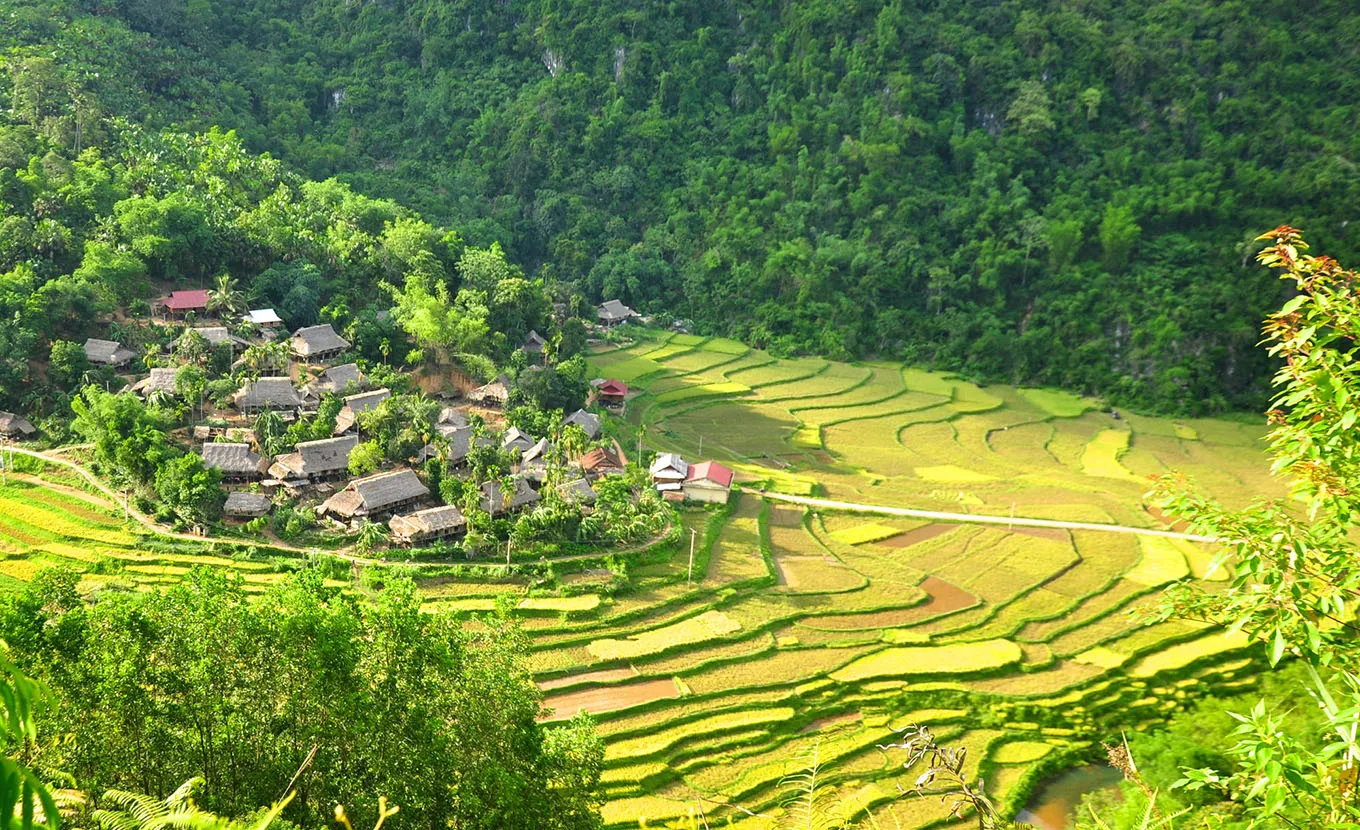
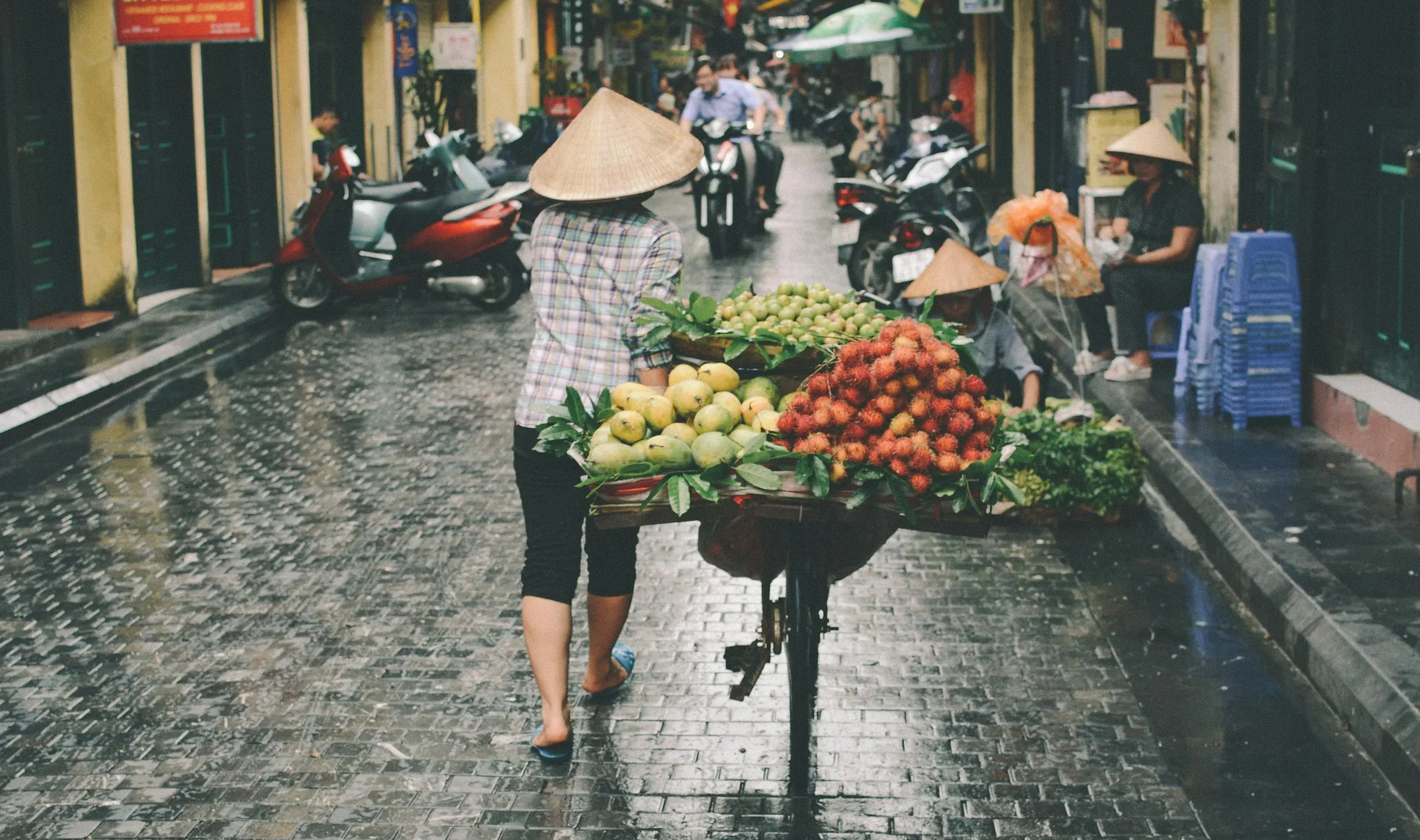
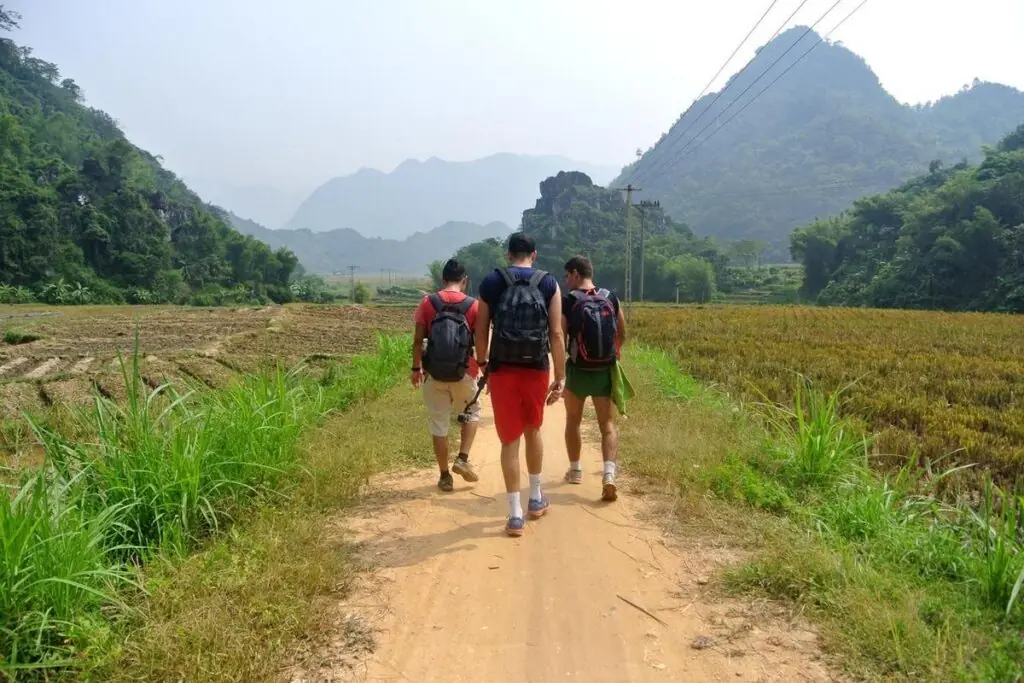
Pu Luong & Mai Chau Trekking Experience – Authentic Northern Vietnam
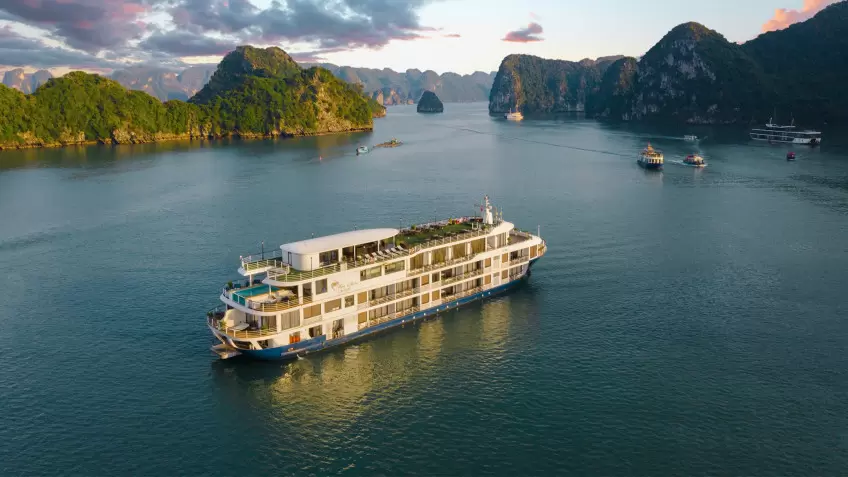
Northern Vietnam Trekking Tour: Mai Chau, Pu Luong & Ninh Binh
Private Mekong Delta Day Trip – Cai Be & Tan Phong Island from Ho Chi Minh City